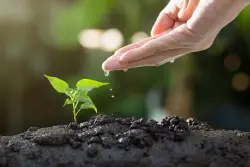
Bringing greenery into your home is one of the best ways to boost your mood and purify your air. However, for many new plant parents, keeping those green friends alive can feel like a challenge. At PlantCareHub, we believe anyone can have a green thumb with the right knowledge.
Here are 10 essential tips to help your indoor plants thrive!

1. Understand Your Light Levels
Not all "indoor" spots are created equal. Some plants crave direct sunlight by a south-facing window, while others prefer the low light of a bathroom. Before buying a plant, check the light requirements and match them to your home’s layout.
2. Master the Art of Watering
The #1 killer of indoor plants is overwatering. Most plants prefer to dry out slightly between waterings. Use the "finger test"—stick your finger an inch into the soil; if it’s dry, it’s time to water. If it’s damp, wait a few days.
3. Ensure Proper Drainage
Never let your plants sit in water. Ensure your pots have drainage holes at the bottom. If you have a decorative pot without holes, keep the plant in its plastic nursery liner inside the decorative pot so you can pour out excess water.
4. Keep the Leaves Dust-Free
Dust acts as a barrier to sunlight, preventing your plant from photosynthesizing efficiently. Every few weeks, gently wipe the leaves with a damp cloth to keep them shiny and healthy.
5. Increase Humidity for Tropicals
Most indoor plants come from tropical environments. Modern air conditioning and heating can make indoor air too dry. Group your plants together, use a pebble tray with water, or mist your plants occasionally to boost humidity.
6. Choose the Right Potting Mix
Standard garden soil is too heavy for indoor pots. Use a high-quality indoor potting mix that contains perlite or peat moss for better aeration and drainage.
7. Fertilize During Growth Seasons
Plants need nutrients to grow, but only during their active phase (usually Spring and Summer). Use a balanced liquid fertilizer once a month during these seasons, and stop entirely during the Winter when the plant is dormant.
8. Watch for Pests Early
Spider mites, mealybugs, and gnats can appear out of nowhere. Check the undersides of leaves regularly. If you spot tiny webs or sticky residue, treat the plant immediately with neem oil or insecticidal soap.
9. Stabilize the Temperature
Plants hate sudden changes. Keep your greenery away from cold drafts, air conditioning vents, and hot radiators. A stable, consistent temperature is key to a happy plant.
10. Observe and Adjust
Your plant will talk to you! Yellow leaves might mean too much water, while drooping leaves often signal thirst. Spend a few minutes each week observing your plants to catch issues before they become terminal.